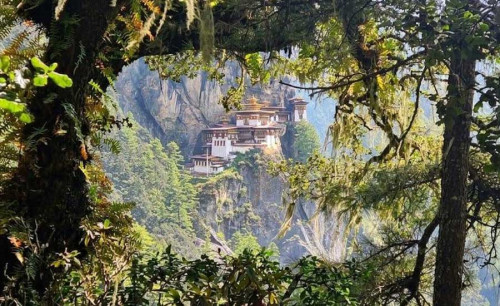
Top Boeddhistische Pelgrimsbestemmingen
Published On : 29th Nov, 2024 By Himalayan Dream Team

Top Boeddhistische Pelgrimsbestemmingen in Nepal:
Nepal, a land of sacred harmony, where Buddhism and tradition melt into one, is incomparable in the journey for the seeker and pilgrim alike. The country reverberates with the holy chants of monks, the soothing hum of prayer wheels, and the serene ambiance of ancient monasteries. As the birthplace of Lord Buddha, Nepal holds a profound significance for Buddhists worldwide, showcasing a rich heritage where spirituality is deeply rooted in daily life. It is a fascinating spiritual tapestry of Buddhism intertwined with local culture and history that attracts visitors from all over the world.
In this blog, we reveal the topmost Buddhist sites of pilgrimage in Nepal, holding their unique charm, spiritual depth, and historical significance. From the sacred birthplace of Lord Buddha in Lumbini to the stupa of Boudhanath in Kathmandu, these sites offer not only religious importance but also a tranquil getaway into the enchanting landscapes of Nepal. Prepare to embark on a journey through interesting stories, ancient relics, and breathtaking architecture that build these sites as beacons of peace and devotion.
1. Lumbini: The Sacred Birthplace of Buddha

Lumbini, a sacred pilgrimage site and one of the holiest places in Buddhism, is situated in the Rupandehi District of Province No. 5. It is known to be the birthplace of Siddhartha Gautama, later to become Buddha, and is recognized as a UNESCO World Heritage Site, a symbol of peace and spirituality. It is very important, being the birthplace of Buddhism and therefore attracts scholars, monks, and spiritual seekers across the world who come here to experience its rich history and sanctity.
The spiritual aura of Lumbini is accentuated by its iconic landmarks. Maya Devi Temple, the most central place of the complex, shelters an ancient stone relief showing the birth of the Buddha. Close by is the Ashoka Pillar, built in 249 BC by Emperor Ashoka, which declares Lumbini to be the birthplace of the Buddha. The surrounding area is also dotted with monasteries built by different Buddhist nations, reflecting the worldwide influence of Buddhism. These combine to provide a unique blend of history, culture, and spirituality that makes Lumbini a must-visit destination for anyone in search of peace and enlightenment.
Entrance Fees for Lumbini
| Category | Fee (NPR) |
|---|---|
| SAARC Nationals | 200 |
| Foreign Nationals | 500 |
| Nepali Nationals | Free |
| Children (Below 10 years) | Free |
2. Swayambhunath: The Iconic Monkey Temple of Nepal

Located in the heart of the Kathmandu Valley, Swayambhunath is a Buddhist pilgrimage site, popularly known as the "Monkey Temple," since the area is dominated by playful primates. It is considered one of the oldest religious monuments in Nepal, dating back more than 2,500 years, thus bearing deep spiritual significance and cultural heritage. Its height on the hill provides a panoramic view of Kathmandu and makes it a very attractive spot for pilgrims and visitors.
The main feature at Swayambhunath is its magnificent stupa, a white dome topped with a gleaming golden spire adorned with the all-seeing eyes of the Buddha, a symbol of wisdom and compassion. The complex around the main stupa is enhanced by a number of small chaityas, ornately carved shrines, and colorful prayer wheels. During Buddha Jayanti, the birthday of the Buddha, the site becomes alive with ceremonies, chanting, and offerings, maintaining an atmosphere of devotion and festivity. Swayambhunath remains a timeless icon of Nepal's spiritual and cultural identity.
Entrance Fees for Swayambhunath
| Category | Fee (NPR) |
|---|---|
| SAARC Nationals | 50 |
| Foreign Nationals | 200 |
| Nepali Nationals | Free |
| Children (Below 10 years) | Free |
3. Boudhanath: The Majestic Stupa of Serenity

Located in the vibrant city of Kathmandu, Boudhanath is one of the largest and most important stupas in the world. This iconic monument constitutes a spiritual cornerstone of Tibetan Buddhism in Nepal, which has been attracting pilgrims and meditation practitioners since the 14th century. Its huge religious significance and cultural resonance turn it into a place of interest for those seeking spiritual solace and a deeper understanding of Tibetan Buddhist traditions.
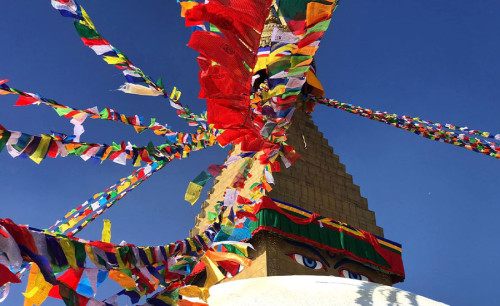
The big mandala design of the stupa, together with its high white dome and golden spire, symbolizes the path to enlightenment, making it one of the largest spherical stupas in Nepal. Surrounding the stupa, the area is a bustling hub of Tibetan culture, adorned with vibrant monasteries, prayer flags fluttering in the wind, and shops offering traditional artifacts. Incense smoke and rhythmic chanting of mantras by the monks add to the atmosphere inside, making it even more serene and ideal for meditation and self-contemplation. Boudhanath is not only a monument but has become alive-a confluence of spiritual devotion and cultural harmony.
Entrance Fees for Boudhanath Stupa
| Category | Fee (NPR) |
|---|---|
| SAARC Nationals | 100 |
| Foreign Nationals | 400 |
| Nepali Nationals | Free |
| Children (Below 10 years) | Free |
4. Namo Buddha: A Sacred Haven of Compassion

Smaller and tranquil, the Kavrepalanchok District houses Namo Buddha near Dhulikhel, a very sacred pilgrimage site in Nepal, steeped in deep spiritual significance. This sacred place is connected with the famous jataka tales of the Buddha's previous life as a compassionate prince. So it is told, the prince, being overcome by compassion, witnessed a starving tigress dying and out of pity threw his own body to her and her cubs. A supreme action of compassion, sacrifice-a symbol of unselfishness and greatness that Namo Buddha Hot Spring symbolizes, even to the present day it attracts all kinds of travelers to this valley. The beauty lies in this majestic Thrangu Tashi Yangtse Monastery, which shows the hot spring site is a hive of spiritual and contemplative life. Perched atop a hill, the monastery has a breathtaking view of surrounding mountains and green, deep valleys that offer it an ideal haven from a worldly, hustling society. People come here for obeisance, spiritual exercise, and basking in the quiet, introspective ambiance that Namo Buddha evokes. It's a place where history, spirituality, and natural beauty converge to leave an indelible mark on the minds of all who visit.
5. Kopan Monastery: A Beacon of Tibetan Buddhist Learning

On a gentle hilltop in Kathmandu lies Kopan Monastery, one of the well-known centers of study, practice, and contemplation of Tibetan Buddhism. It was established in the 1970s by Lama Yeshe and Lama Zopa Rinpoche and turned into a very important facility for the spread of the teachings of Tibetan Buddhism toward the Western world. With its emphasis on wisdom, compassion, and mindfulness, Kopan is a haven for those seeking spiritual growth and a deeper understanding of Buddhist philosophy.
Hundreds of monks and nuns reside within its walls, dedicated to a life of meditation and study. It offers a range of retreats and courses, from very beginner-friendly introductions to quite advanced teachings, and thus is accessible to practitioners of all levels. Situated amidst lush greenery with panoramic views of the Kathmandu Valley, Kopan Monastery presents a serene environment that helps in the transformative experience of spiritual reflection. Visiting Kopan is more than a journey into Buddhist teachings; it's an opportunity to connect with profound peace and an insight into timeless wisdom from the Buddha.
Why Visit Buddhist Pilgrimage Sites in Nepal?

Nepal's Buddhist pilgrimage sites are not religious landmarks but a living history, culture, and spirituality. Nestled within the stunning landscapes of the Himalayas, these sacred locations provide a transformative experience that goes beyond sightseeing. Visiting these sites offers a unique blend of spiritual enrichment and cultural immersion, making it an unforgettable journey for seekers, travelers, and pilgrims alike.
Reasons to Visit Buddhist Pilgrimage Sites in Nepal Gain a Deeper Understanding of Buddhism
-
Gain First-Hand Insights into Buddhism
- Explore holy sites to learn about the teachings and practices of Buddhism.
- Observe centuries-old traditions that continue to guide the spiritual lives of monks and their followers.
-
Immerse in Nepal's Vivacious Culture
- Experience the harmonious blend of Buddhism within Nepal's diverse cultural heritage.
- Participate in festivals, rituals, and prayers that showcase Nepal's rich spiritual traditions.
-
Find Moments of Peace and Self-Reflection
- Escape the hustle of daily life and immerse yourself in the serene ambiance of sacred monasteries and stupas.
- Meditate in tranquil surroundings that inspire introspection and spiritual growth.
-
Admire Architectural Marvels
- Discover intricate designs of stupas, monasteries, and temples that are masterpieces of Buddhist art and architecture.
- Learn about the historical and cultural importance of landmarks such as Boudhanath Stupa, Swayambhunath, and Namo Buddha.
-
Witness the Birthplace of Lord Buddha
- Visit Lumbini, the sacred birthplace of Siddhartha Gautama (Lord Buddha), and walk in the footsteps of this great spiritual leader.
-
Connect with Nature and Spirituality
- Relish breathtaking Himalayan vistas while visiting monasteries perched on hilltops or nestled in serene valleys.
- Experience the harmony of natural beauty and spiritual serenity unique to Nepal.
-
Be Part of a Global Spiritual Community
- Interact with pilgrims, monks, and travelers from across the globe who gather to pay homage and seek enlightenment.
- Gain insights into Buddhism's global influence through international monasteries and cultural exchanges.
-
Create Lifelong Memories
- Capture the essence of Nepal's spiritual soul through its sacred sites, warm hospitality, and awe-inspiring landscapes.
- Take home not just photographs but also a renewed sense of peace and inspiration.
Tips for Visiting Buddhist Pilgrimage Sites in Nepal

Exploring Nepal’s Buddhist pilgrimage sites can be a transformative experience, and a few mindful preparations can enhance your journey. Here are some essential tips to help you make the most of your visit:
-
Respect Local Traditions
- Dress modestly, covering your shoulders and knees, as a sign of respect for the sacredness of the sites.
- Avoid loud conversations or disruptive behavior to maintain the serene atmosphere.
- Remove your shoes before entering temples, monasteries, or stupas.
-
Participate in Rituals
- Join local prayer ceremonies or spin prayer wheels to immerse yourself in the spiritual ambiance.
- Light butter lamps or offer flowers as a gesture of devotion and respect.
- Observe and follow the practices of monks and devotees to engage meaningfully in the experience.
-
Plan Ahead
- Check entrance fees, opening hours, and any specific regulations for each site.
- Research local festivals like Buddha Jayanti to experience these sacred sites during their most vibrant celebrations.
- Carry local currency for entry tickets, donations, and small purchases.
-
Be Mindful of Photography
- Ask for permission before photographing monks, devotees, or ceremonies.
- Avoid using flash in sacred spaces, as it may be considered intrusive.
-
Travel Light and Be Prepared
- Wear comfortable shoes suitable for walking on uneven surfaces.
- Carry essentials like water, sunscreen, and a hat, especially if you’re visiting hilltop monasteries.
-
Engage with Locals
- Speak to monks, guides, or local residents to gain deeper insights into the significance of the site.
- Show genuine curiosity and openness to learn about Buddhist traditions and culture.
-
Practice Patience and Presence
- Embrace the slow pace of spiritual sites; take your time to absorb the peace and tranquility.
- Use the opportunity for self-reflection and mindfulness, leaving behind the distractions of daily life.
-
Support the Local Community
- Purchase souvenirs like prayer flags, thangka paintings, or handicrafts from local artisans.
- Contribute to donation boxes in temples or monasteries to support their upkeep.
Conclusion
Each of the sacred Buddhist sites of Nepal, Kopan being one of them, carries with it a different window to the spiritual and cultural heritage of the region. Whether one is a devout practitioner or a curious traveler, these places promise a journey rich in enlightenment and inner tranquility.Whether you are a devout Buddhist or a curious traveler, these destinations promise a journey filled with cultural insight, spiritual enlightenment, and a profound sense of peace. Nepal’s Buddhist pilgrimage sites are not just places to visit—they are sanctuaries of reflection and inspiration.
Recente From Blog

16th Apr, 2024

13th Jul, 2026

25th Apr, 2024


13th Jul, 2026

2nd May, 2024

2nd May, 2024

19th Oct, 2024

6th May, 2024

12th May, 2024


4th Jun, 2026

13th May, 2024

12th May, 2024

13th May, 2024

12th May, 2024

13th May, 2024

12th May, 2024


12th May, 2024

12th May, 2024

12th May, 2024

12th May, 2024

13th May, 2024

12th May, 2024


14th May, 2024
3rd Jun, 2026

14th May, 2024

14th May, 2024


15th May, 2024

14th May, 2024


16th May, 2024

26th Sep, 2025


28th May, 2024


29th May, 2024

29th May, 2024

29th May, 2024

29th May, 2024

30th May, 2024


4th Jun, 2024


7th Jun, 2024

7th Jun, 2024

7th Jun, 2024

9th Jun, 2024

9th Jun, 2024

11th Jun, 2024

11th Jun, 2024

11th Jun, 2024

12th Jun, 2024

12th Jun, 2024

18th Jun, 2024

20th Jun, 2024
25th Oct, 2025

20th Jun, 2024

16th Oct, 2024

31st May, 2026
26th Oct, 2025

19th Sep, 2024
20th Sep, 2024

20th Sep, 2024

23rd Sep, 2024

3rd Jun, 2026

23rd Sep, 2024

24th Sep, 2024
25th Sep, 2024

26th Sep, 2024

29th Sep, 2024

29th Sep, 2024

19th Sep, 2025

2nd Oct, 2024

3rd Oct, 2024

5th Oct, 2024

7th Aug, 2026

26th Aug, 2026

28th Nov, 2024

29th Nov, 2024
1st Oct, 2025

1st Feb, 2026

17th Feb, 2025
31st May, 2026
11th Aug, 2025
19th Sep, 2025
21st Sep, 2025

26th Sep, 2025
28th Sep, 2025

29th Sep, 2025
30th Sep, 2025
3rd Oct, 2025

5th Oct, 2025
5th Oct, 2025

27th Jan, 2026

7th Oct, 2025

9th Oct, 2025

12th Oct, 2025

13th Oct, 2025

17th Oct, 2025

4th Oct, 2026

22nd Oct, 2025

25th Oct, 2025

28th Sep, 2026

9th Nov, 2025

10th Nov, 2025


21st Nov, 2025

24th Nov, 2025


30th Dec, 2025

6th Jan, 2026

21st Jan, 2026
20th Feb, 2026
6th Feb, 2026


23rd Mar, 2026

25th Mar, 2026

29th Mar, 2026

29th Mar, 2026
1st Apr, 2026
9th Apr, 2026
20th Apr, 2026

29th May, 2026
9th Jun, 2026
11th Jun, 2026
5th Jul, 2026
14th Jul, 2026
15th Jul, 2026
16th Sep, 2026
16th Sep, 2026
22nd Sep, 2026
28th Sep, 2026

29th Sep, 2026